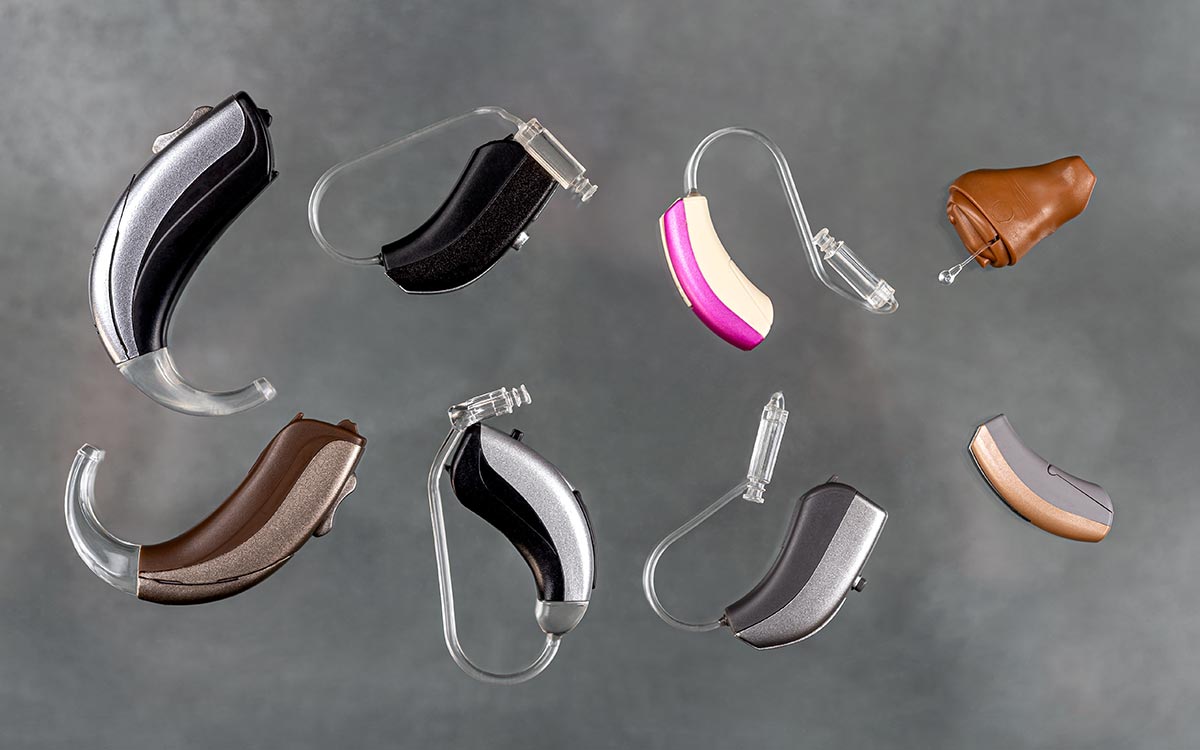
With so many options in terms of dimensions, style, and technology, the process of picking an instrument can feel quite intense. Fortunately, there is a perfect hearing solution for every individual, regardless of their lifestyle or the severity of their hearing loss. Success lies in finding the specific aid that meets your personal preferences.
Understanding the differences among the most popular types of hearing aids can help you feel more informed and confident as you explore your options. This guide examines the most popular styles and highlights the specific advantages each one offers.
ITC (In-the-Canal) Hearing Solutions
Basic Summary:
An ITC device is engineered to sit partially within the ear canal while showing just a small section in the outer ear area.
Why users choose them:
- Offers an improved profile than bulkier behind-the-ear units
- Custom-molded for comfort
- A useful choice for those with moderate hearing needs
ITC devices offer an excellent balance between visibility and functionality, making them a popular choice for first-time users.
Ultra-Discreet IIC Devices
The Concept:
As the most discreet custom selection, IIC aids represent the smallest available style. They rest deep inside the ear canal and are virtually invisible when worn.
Why individuals pick them:
- Optimal cosmetic discretion
- Natural sound quality due to microphone placement
- Featherweight and easy
IIC devices are primarily targeted at those with moderate hearing needs who want their technology to remain completely unnoticed.
ITE (In-the-Ear) Model Overview
Structural Info:
ITE hearing aids occupy either the entire outer ear (full-shell) or the lower portion (half-shell). They are custom-made to fit the shape of your ear.
Value Offering:
- The increased surface area offers space for extra functionality and extended power
- The physical size is easier to hold and adjust for users with fine motor concerns
- Effective for an extensive range of hearing impairments, ranging from mild to severe
ITE models are often chosen by individuals who want a simple, all-in-one design without behind-the-ear components.
Exploring BTE (Behind-the-Ear) Styles
Summary:
A BTE hearing aid is worn outside the ear for a stable fit. Audio travels into the ear canal through an internal tube or custom earmold.
Key Advantages:
- Offers a long-lasting and versatile solution for various environments
- Work for nearly all degrees of hearing loss
- Large enough to house sophisticated software and modern rechargeable technology
If you need a robust hearing aid that is simple to operate and offers high-power output, the BTE style is ideal.
Receiver-in-Canal (RIC) Hearing Aids
Design Specs:
In a modern model, the speaker is separated from the main casing and placed inside the canal via a thin wire.
Market Interest:
- Minimizes the “plugged up” feeling for more natural hearing
- The ultra-thin style is both light and nearly effortless to wear
- Great for many levels of hearing loss
The combination of design and high-end performance renders RIC models a top choice in the modern market.
Long-Term “Set and Forget” Hearing Aids
Overview:
These unique aids are built to live in the ear canal for an extended period or more, managed by your hearing specialist.
Why individuals choose them:
- Perfect for wearers who want to bypass the routine of handling hearing aids daily
- Almost hidden
- Built to withstand the rigors of sleep, exercise, and showering without being removed
Extended-wear devices are ideal for patients who want a “set it and forget it” approach.
Bluetooth-Enabled Hearing Aids
What they are:
Connectivity-focused hearing aids that use radio to integrate with your digital life.
Why people choose them:
- Allows for sharp voice calls and media streamed directly to the device
- Gives you the power to adjust your volume and programs via a smartphone app
- Enhances daily life by making technology interaction seamless and clear
Bluetooth options are available across many styles, including RIC, BTE, and some ITC models.
Surgically Placed Middle-Ear Solutions
Technical Definition:
A surgical method that works by shaking the tiny bones inside the ear to provide amplified audio.
Medical Motivations:
- A viable route for patients who are unable to wear standard acoustic devices
- Pleasant option for chronic ear issues related to traditional devices
Candidates for middle-ear implants should complete a comprehensive evaluation by an expert specialist.
Choosing the Right Style for You
Since each hearing aid design has unique assets, the best choice is based on your specific hearing needs, your daily activities, and your aesthetic goals. An expert can provide the guidance needed to test out different styles and find the one that fits your life perfectly.
If you’re ready to investigate the possibilities, schedule an auditory evaluation today. Your future of confident interaction starts with this first evaluation.
Sources:
https://www.mayoclinic.org/diseases-conditions/hearing-loss/in-depth/hearing-aids/art-
20044116
https://www.hearinglife.com/hearing-aids/types
https://www.nidcd.nih.gov/health/hearing-aids